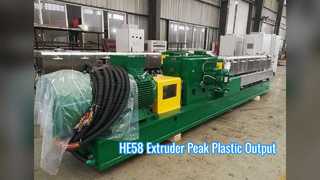
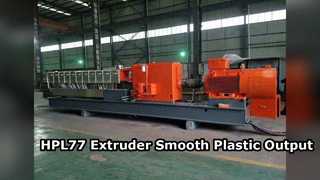
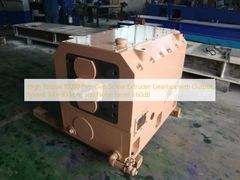
Brief: This video explains the main functions and practical uses of the HPL77 Parallel Compounding Twin Screw Extruder in a clear, step-by-step format. You'll see how this high-output machine feeds, transports, and melts plastic materials for various extrusion lines, including pipes, profiles, and sheets. We'll walk through its key components like the gearbox, screw and barrel system, casting heater, and control cabinet to show how they work together for efficient plastic processing.
Related Product Features:
High output co-rotating parallel twin screw extruder designed for general plastic processing applications.
Suitable for processing ABS, PA, PC, PE, PET, PP, PS, and other general plastics.
Capable of handling modified engineering plastics and flame-resistant reinforced plastics.
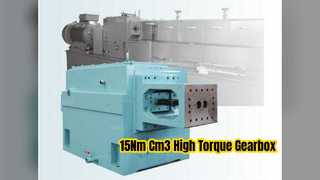
Features a robust gearbox that connects the screw and motor for precise speed control during high-speed operation.
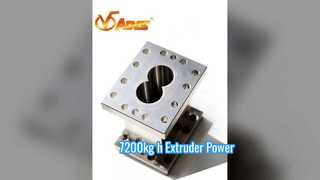
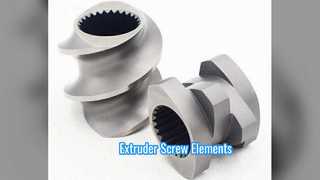
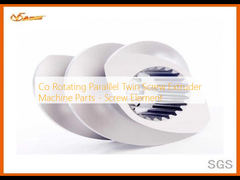
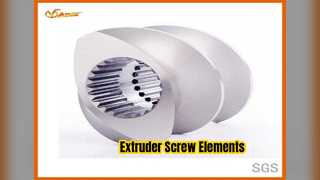
Utilizes standardized screw and barrel design for stable quality and consistent paint capacity.
Equipped with casting heaters to ensure proper plasticizing and melting of PVC resin materials.
Includes a control cabinet with switch or PLC programming for comprehensive machine operation control.
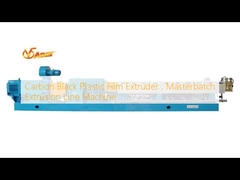
Widely used in plastic pipe, profile, and sheet extrusion production lines.
Faqs:
What types of plastics can the HPL77 Twin Screw Extruder process?
The HPL77 is designed for general plastics including ABS, PA, PC, PE, PET, PP, PS, as well as modified engineering plastics, glass fiber reinforced materials like PA+GF, and flame-resistant reinforced plastics.
What are the main components of this twin screw extruder?
The main components include a gearbox for speed control, screw and barrel system for material transport and mixing, casting heaters for temperature control, and a control cabinet with switch or PLC programming for overall machine operation.
What applications is this extruder suitable for?
This extruder is widely used in plastic pipe extrusion lines, plastic profile extrusion lines, and plastic sheet extrusion machine lines, where it feeds, transports, and melts plastic materials for output through various extrusion molds.